
Applications
PathoSense is a versatile, quick device for monitoring the quality of the air through sampling and testing for some specific airborne pathogens. So it can be used in many different situations to provide vital information about the air quality to help you provide safer and healtier air in different settings:
Educational Institutes (Schools, Universities)
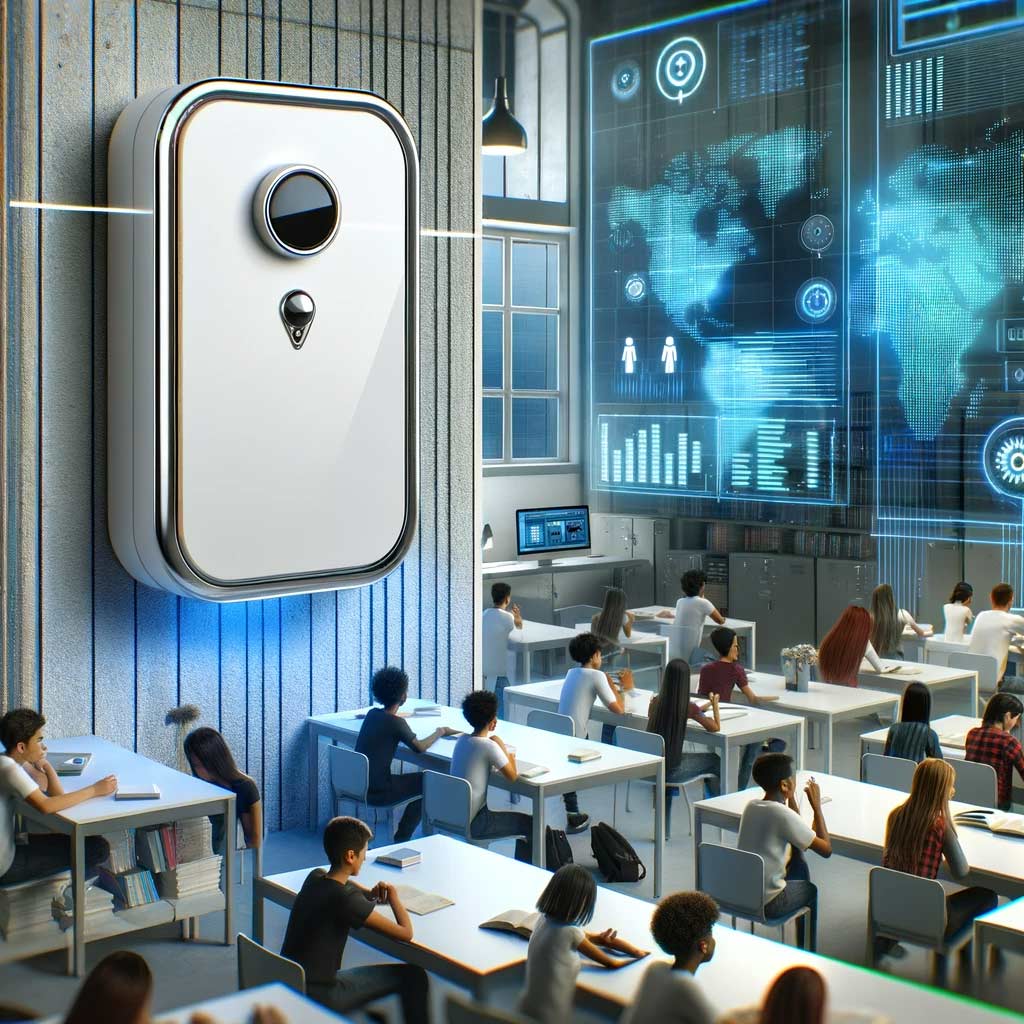
In educational settings, the health and safety of students and staff are paramount. Airborne pathogen monitoring devices play a crucial role in maintaining a healthy environment. For instance, in a typical classroom, air quality can significantly fluctify due to varying occupancy and activities. Studies show that improved air quality leads to a 5-14% improvement in test scores and productivity. Real-time monitoring and alerts provided by these devices ensure that any risk of airborne contagions can be swiftly addressed, minimizing disruption and absenteeism due to illness. Schools and universities equipped with such technology can maintain a safer environment, which is crucial given that children are more susceptible to airborne illnesses.
Office Buildings
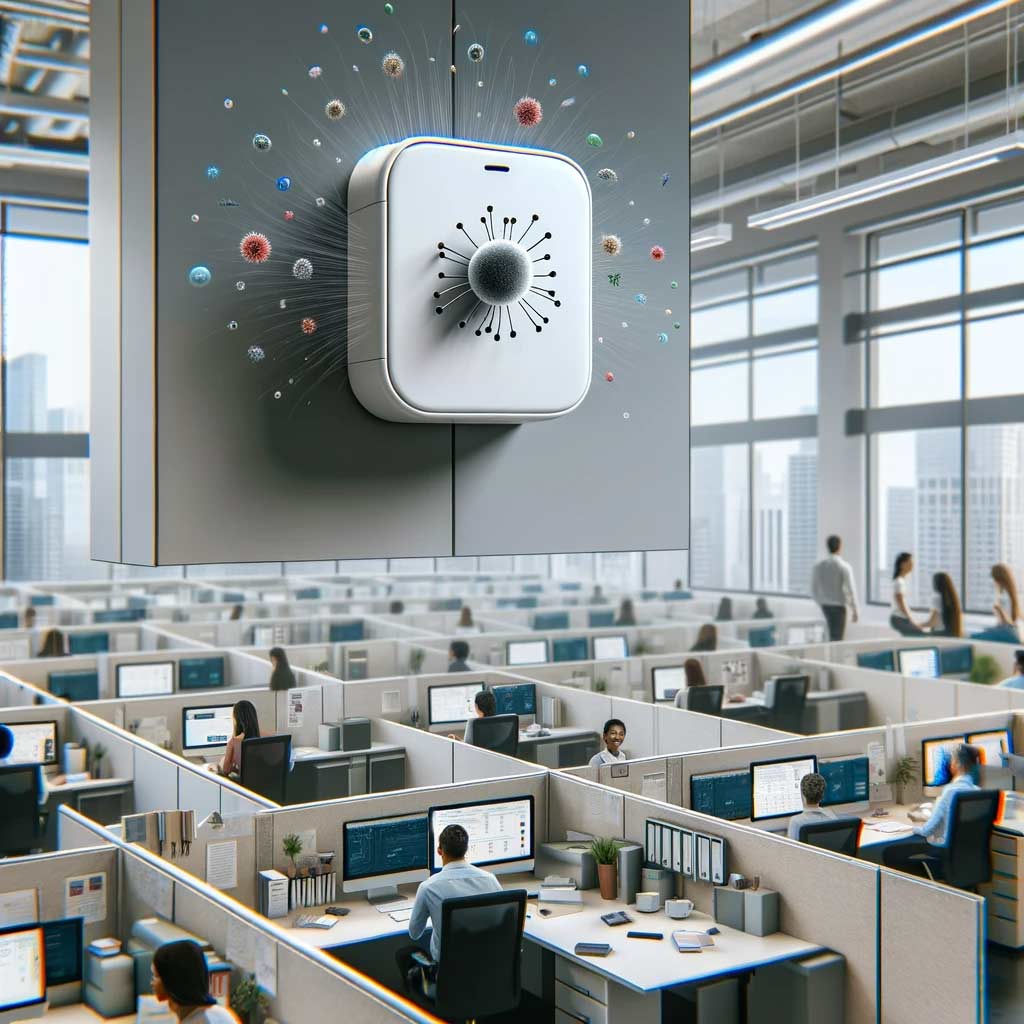
In office settings, where employees spend a considerable part of their day, maintaining air quality is not just a health concern but also a productivity issue. Airborne pathogens can contribute to what is known as “sick building syndrome,” leading to decreased employee efficiency and increased absenteeism. The introduction of real-time airborne pathogen monitoring devices can significantly mitigate this risk. Integrating airborne pathogen monitors in office buildings can alert facility managers to the presence of harmful pathogens, enabling swift action to improve air quality. This could potentially lead to a measurable decrease in employee sick days, as indicated by various workplace health studies. For instance, a reduction in airborne pathogens could correlate with a 20-30% decrease in respiratory-related sick leaves, translating to significant cost savings and productivity gains for companies. Also, according to a Harvard study, cognitive function scores were 61% higher in green building environments with enhanced ventilation compared to conventional buildings. By continuously analyzing air quality and detecting pathogens, these devices not only safeguard the health of employees but also contribute to a more productive and focused workforce.
Public Transportation (Airplanes, Buses, Trains)
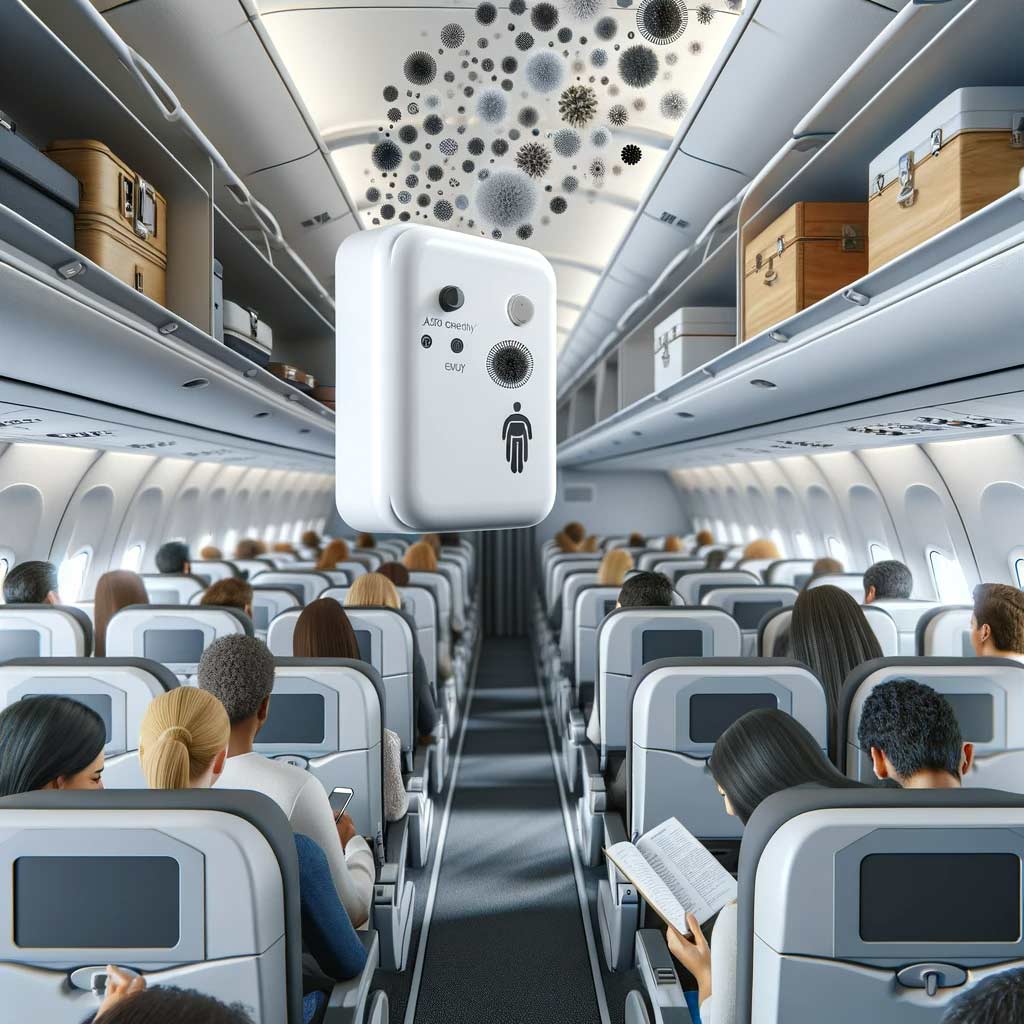
Public transportation systems, such as airplanes, buses, and trains, are high-risk environments for the spread of airborne diseases due to enclosed spaces and high passenger turnover. The introduction of pathogen monitoring technology in these settings can be a game-changer for public health.
Real-time monitoring can provide immediate data, allowing transportation companies to take proactive measures in sanitizing and informing passengers, potentially reducing the spread of diseases. This technology could be particularly beneficial in curtailing the spread of seasonal flu or more severe pathogens. For instance, during flu season, the implementation of this technology could result in a substantial reduction in the number of cases traced back to public transportation, as evidenced by health surveillance data. In a study, it was found that air quality improvements in transport hubs could reduce the spread of airborne diseases by up to 70%. This technology is not just a health measure but a confidence booster for the public, encouraging them to engage more actively in communal and travel activities.
Entertainment and Recreation Venues (Casinos, Theatres, Concert Halls)
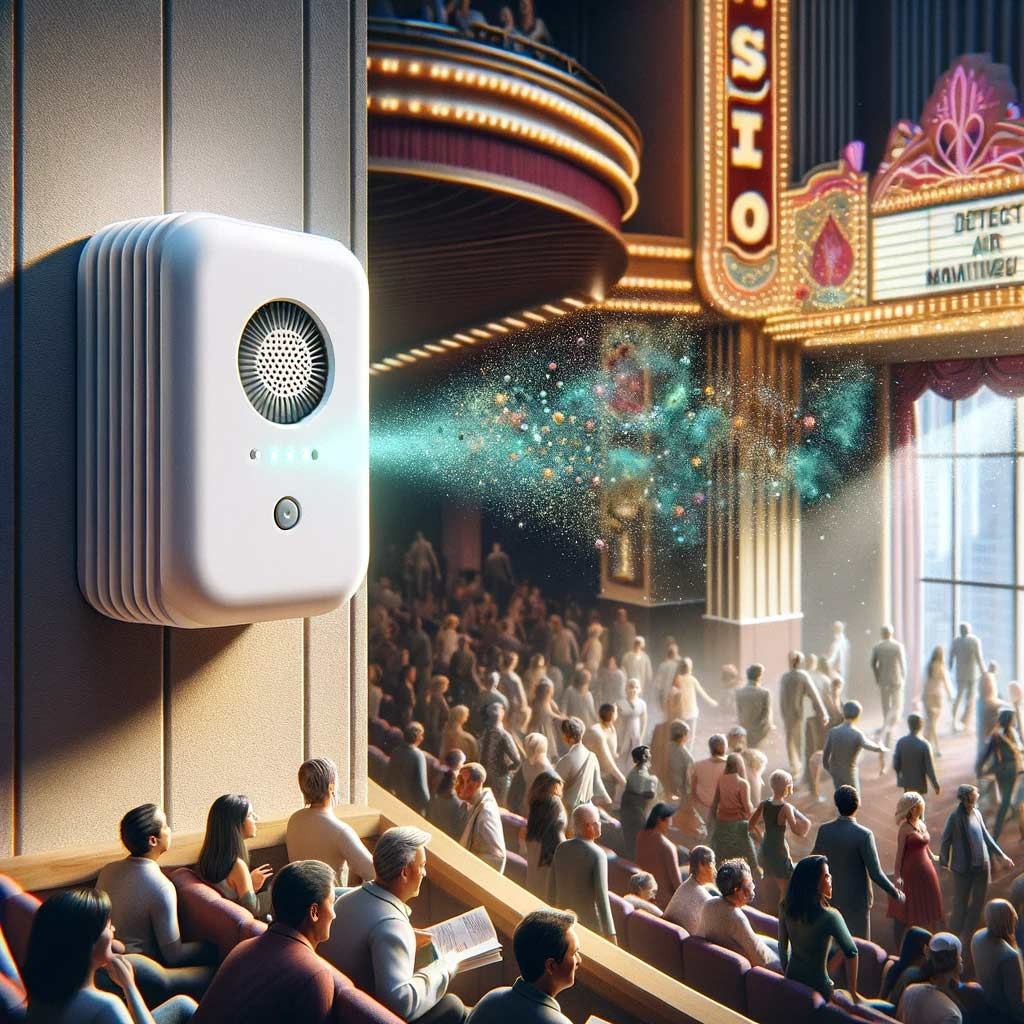
Places like casinos, theatres, and concert halls draw large crowds, making them hotspots for airborne pathogens. The real-time monitoring technology can play a crucial role in these venues by providing timely alerts about air quality, thus enabling better crowd management and sanitation protocols.
By monitoring and controlling air quality, these venues can not only offer a safer environment but also build public trust, encouraging more visitors. For example, numerous studies have shown that venues with proper air quality monitoring systems see a higher footfall due to increased public confidence in their safety measures. This can lead to both improved public health outcomes and enhanced economic performance for the entertainment sector.